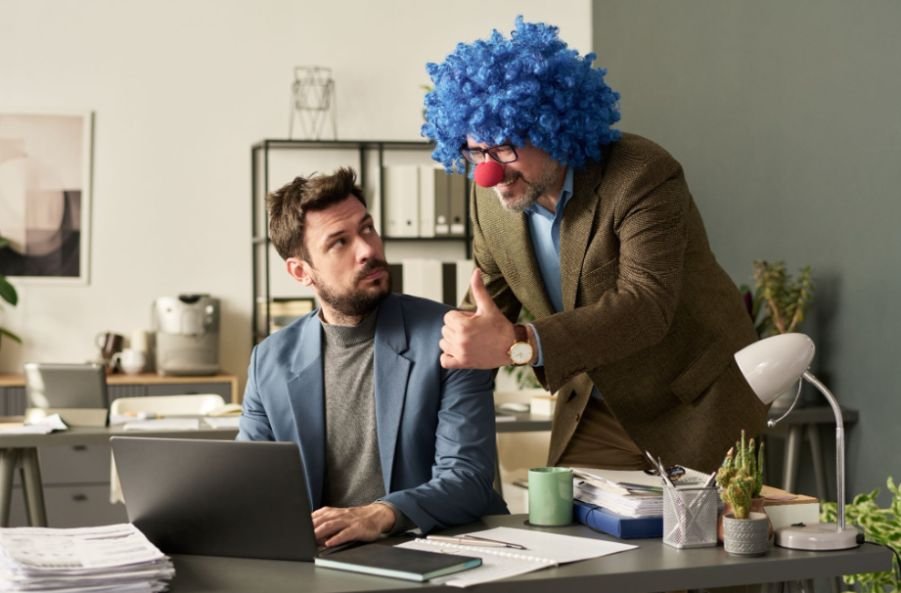
Memes now appear in Slack channels, Microsoft Teams threads, company newsletters, and virtual meetings. In many US workplaces, they have helped shift corporate culture from stiff and formal to conversational, visual, and emotionally expressive. I have seen one familiar image communicate relief, frustration, or excitement faster than several polished sentences.
Understanding how memes affect workplace communication matters because the same cultural shorthand that builds connection can also create exclusion, confusion, or reputational damage. Used thoughtfully, memes make digital conversations feel human. Used carelessly, they can weaken authority and turn a harmless joke into a workplace problem.
Why Have Memes Become a Workplace Language?
Employees face a constant stream of emails, notifications, and project updates. Memes cut through text fatigue by pairing a familiar image with an emotional cue.
Remote and hybrid work have accelerated this shift. Digital conversations remove facial expressions and vocal tone, so memes often act like visual punctuation. They can show whether someone is joking, celebrating, sympathizing, or frustrated. However, forced internet slang or leaders trying too hard to sound trendy can feel artificial.
How Do Memes Improve Communication at Work?

Can Memes Restore Emotional Context?
A short reply such as “fine” can sound colder than intended. A suitable reaction image can clarify tone, soften a routine correction, or show enthusiasm after a milestone. This is especially useful for remote teams.
Still, a visual should support the message rather than replace it. A GIF cannot confirm task ownership, deadlines, or final decisions.
Do Memes Reduce Feed Fatigue and Improve Recall?
Employees often scan busy Slack, Teams, and Discord channels instead of reading every message closely. A simple visual can make a reminder, event announcement, or team celebration easier to notice.
Memes may also reduce cognitive effort because people process familiar images quickly. They can improve recall by linking information with a recognizable visual and emotion.
Can Workplace Humor Reduce Stress and Build Trust?
Shared humor gives employees a way to cope with tight deadlines, difficult clients, software failures, and meeting overload. It can also signal, “I understand.”
That recognition can ease tension, build camaraderie, and make managers feel more approachable. Yet power differences matter. Employees should never feel pressured to laugh at a manager’s joke.
This community-building effect is not limited to offices. Examining how memes create community on US college campuses shows how shared jokes, insider references, and common frustrations can turn large institutions into more connected social environments. Workplace memes can create a similar sense of belonging when humor reflects experiences employees genuinely share.
Can Internal Memes Reveal Employee Sentiment?
Memes can create organic feedback loops. Repeated jokes about unnecessary meetings, unrealistic deadlines, confusing policies, or unreliable software may reveal frustration before it appears in an annual survey.
Google’s internal Meme Gen platform is often cited as an example of employees reacting to workplace decisions through memes. Managers should notice repeated themes and invite honest discussion.
What Are the Biggest Risks of Memes at Work?
Can Memes Create Generational and Cultural Exclusion?

Memes depend on shared references. Employees who do not follow the same shows, celebrities, sports, or online communities may not understand the joke. This can leave older employees, new hires, international coworkers, or less online team members feeling excluded.
Accessibility matters too. Images without descriptions may not work for employees using screen readers, while fast-moving GIFs can create barriers. A brief written explanation keeps the message understandable.
Can Humor Dilute Professional Authority?
Memes are poorly suited to performance reviews, disciplinary discussions, layoffs, workplace injuries, legal notices, contracts, client deliverables, and crisis communication. Humor can diminish the gravity of these situations.
US teams should apply the same standards to memes that they apply to email and workplace chat. Content involving protected characteristics, sexual themes, stereotypes, appearance, health conditions, politics, or violence can cross professional boundaries.
Why Are Sarcastic Memes Easy to Misinterpret?
Humor is subjective, and sarcasm is difficult to interpret online. A playful image can appear aggressive, passive-aggressive, or culturally insensitive when the reader lacks the sender’s context.
Employees should never weaponize memes to target coworkers, mock leadership decisions, or embarrass someone publicly. Direct and respectful language works better for feedback or disagreement.
Can Memes Become a Productivity Trap?
A quick reaction can turn into a long meme war. Unrelated replies may bury decisions and interrupt focused work.
I recommend keeping casual memes inside designated watercoolersa or social channels. Project channels should remain easy to search and clearly preserve deadlines, approvals, and responsibilities.
How Should Employees and Managers Use Memes Responsibly?

The safest approach is to consider the audience, channel, purpose, and timing. Universally recognizable, unambiguous formats usually carry less risk than obscure references or heavy sarcasm.
Employees should read the room. A celebratory meme may work after a successful launch but not during a security incident, customer crisis, or difficult organizational change. Managers should avoid turning every announcement into forced relatability.
Using celebration ideas for introverts can help teams acknowledge achievements through quieter options, including private messages, small-group recognition, thoughtful notes, or optional virtual celebrations that do not place employees under unwanted attention.
Companies do not necessarily need a separate meme policy. Existing rules covering respectful behavior, harassment, confidentiality, acceptable technology use, and professional communication can also apply to GIFs and reaction images.
Frequently Asked Questions
1. What Is the Simplest Way to Explain How Memes Affect Workplace Communication?
Memes add emotion, humor, and cultural context to digital messages. They can improve engagement but also cause misunderstanding, exclusion, distraction, and professionalism concerns.
2. Are Memes Appropriate in Professional Communication?
They can work in informal internal channels, celebrations, and low-risk conversations. They should not appear in contracts, formal reviews, disciplinary messages, client deliverables, or emergency communication.
3. Should Managers Use Memes With Employees?
Managers can use them occasionally to celebrate success or build rapport. They should avoid forced slang, targeted sarcasm, sensitive topics, and jokes employees may feel obligated to accept.
4. How Can Remote Teams Prevent Meme Misunderstandings?
Remote teams should pair visual humor with clear written context, keep important decisions in plain language, add accessible descriptions, and reserve casual content for designated channels.
Finding the Right Balance With Workplace Meme Culture
I do not think companies should remove humor from digital communication. Memes can restore emotional context, reduce text fatigue, strengthen team relationships, and reveal cultural problems that formal surveys may miss.
The best results come from using memes as supporting communication, not as a substitute for clarity. When employees understand the audience, respect professional boundaries, and keep serious information direct, memes can make work feel more human without making it less professional.