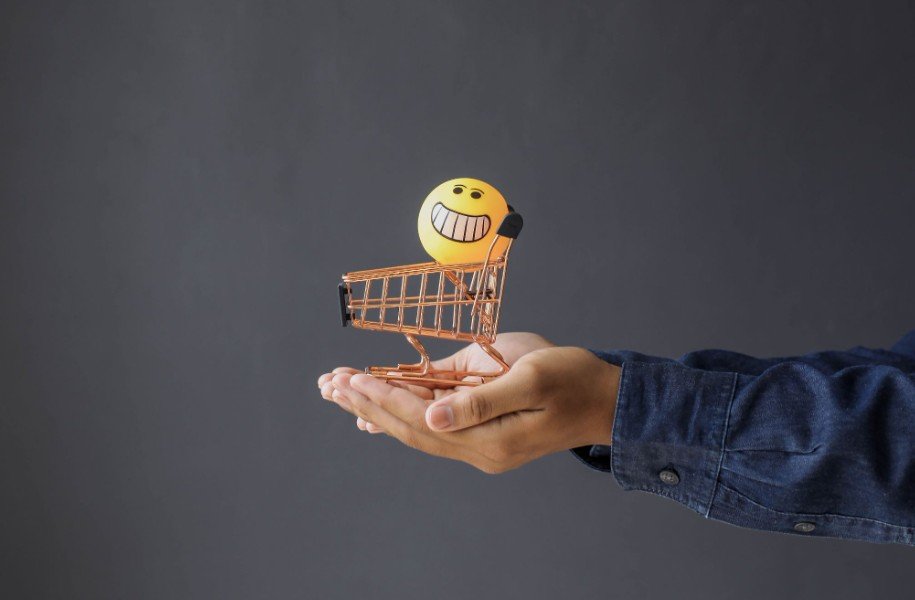
I used to think a meme disappeared the moment I scrolled past it. Then I noticed how often a joke introduced me to a new snack, app, clothing brand, or streaming show—and how easily that brand returned to mind when I was ready to buy. That is the hidden power behind how memes shape buying decisions: they turn entertainment into recognition, recognition into trust, and trust into action.
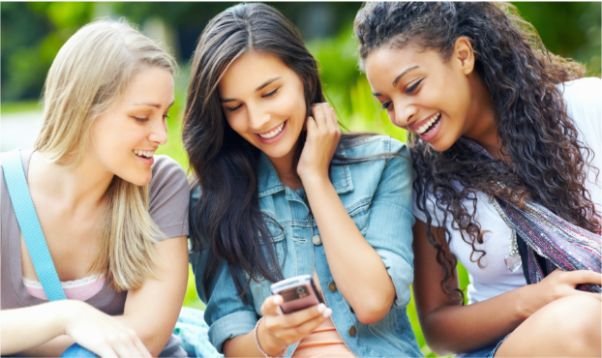
For US consumers, memes now function like digital word-of-mouth wrapped in humor. They can make an unfamiliar company feel relatable, give a product instant cultural relevance, and encourage people to share branded messages without feeling as though they are spreading an advertisement.
When the timing, audience, and joke align, a single meme can move someone from laughing in the comments to clicking “Add to Cart.”
Why Do Memes Influence Consumer Buying Behavior?
Traditional ads often trigger an immediate question: “What are they trying to sell me?” A strong meme reaches emotion first. Humor, nostalgia, surprise, or recognition appears before the viewer analyzes the commercial message.
I think of this as the “Trojan Horse” effect. The sales idea arrives inside relatable entertainment, allowing the brand to communicate before a consumer’s normal advertising skepticism takes over.
A 2025 qualitative study hosted on ResearchGate found that Gen Z participants responded positively when meme marketing felt humorous, relevant, simple, emotionally authentic, and similar to peer communication. That quality helped branded content attract attention while reducing rejection of promotional messages.
Why Does Fast Visual Processing Improve Brand Recall?

Memes use recognizable templates, expressive faces, short captions, trending sounds, and familiar situations. Consumers can decode them in seconds, helping a brand communicate before scrolling fatigue takes over.
This high-speed cognitive processing connects new product information with an existing format, making the message easier to understand and remember. A shopper may not buy immediately, but repeated exposure can make the company easier to recall when a need appears later.
That is especially valuable in competitive US markets such as food delivery, fashion, beauty, entertainment, mobile apps, and direct-to-consumer retail.
How Do Memes Turn Engagement Into Purchase Intention?
Memes rarely generate sales through humor alone. Instead, they move people through product discovery, emotional engagement, social validation, brand familiarity, and purchase intention.
A 2024 study involving 452 social media users found a significant positive relationship between meme marketing, consumer engagement, and purchase intention. Engagement partly mediated that relationship, suggesting that comments, shares, reactions, and continued interaction help turn exposure into buying interest.
How Does Social Proof Make Products Feel Safer?
When people tag friends, repost a brand meme, or discuss their experiences in the comments, they create digital word-of-mouth. Shoppers no longer see only a company making a sales claim. They see a community responding to and validating the product.
Comments such as “I just ordered this” or “I use this every day” can reduce uncertainty. They function like quick customer testimonials directly beneath the branded content.
Sharing also reinforces belonging. Buying the featured product may become a way to participate in a digital subculture, maintain status within an online group, or express a shared identity.
Why Do Identity and Cultural Resonance Affect Purchases?
Regional jokes, college humor, workplace frustrations, sports references, and niche content place products inside recognizable identities.
A coffee brand can represent an overworked professional. A sneaker can signal membership in a fashion community. A delivery app can become part of watching an NFL game at home.
Products can become even more emotionally valuable when consumers associate them with meaningful experiences. Content featuring unconventional celebrations that create lasting memories can position a purchase as part of a personal milestone, shared tradition, or memorable occasion rather than as an ordinary transaction.
When a product fits the joke, buying it feels less like obeying an advertisement and more like participating in the culture. The brand also shifts from a cold corporate entity to an active participant in the consumer’s daily media cycle.
Which Meme Features Most Strongly Drive Purchases?
Research published through ScienceDirect examined meme marketing using media richness theory. In a study involving 516 responses, immediate feedback, multiple cues, and personal focus positively influenced purchase intention, while excessive language variety had a negative effect.
Immediate feedback encourages comments, questions, and instant validation. This interaction can create momentum around a product and reassure shoppers who are considering a purchase.
Multiple cues combine text, expressive faces, short videos, audio, and product visuals. These elements can communicate product usefulness and emotional warmth at the same time.
Personal focus targets a specific frustration, lifestyle, or desire instead of speaking vaguely to everyone. A hyper-specific meme often feels more relatable because consumers recognize their own experiences in it.
Excessive wording, however, makes a meme harder to process. The most persuasive content usually delivers one clear joke and one recognizable product connection.
A Zenodo-indexed 2025 study also examined humor, trendiness, interaction, informativeness, and entertainment as important meme-marketing attributes in ecommerce. These findings suggest that effective memes should feel current, personally relevant, useful, entertaining, and visually uncluttered.
How Can US Brands Use Memes Without Looking Forced?
Cultural resonance develops when a meme reflects language, frustrations, events, or symbols the intended audience already understands. However, brands should not copy every viral format.
A college sports joke may fail with suburban homeowners. A TikTok trend may feel unnatural on LinkedIn, while a Reddit meme may lose its meaning when reposted on Instagram.
The same attention to audience and context applies inside a company. Understanding how managers should handle memes in team chats can help marketing leaders set appropriate boundaries, keep professional channels focused, and prevent workplace humor from creating exclusion or distracting employees from important responsibilities.
Before publishing, a brand should understand the template’s origin, audience, platform, cultural meaning, and life cycle. It should also connect the joke naturally to a customer problem or product benefit.
Cultural fluency builds warmth and trust. Imitation without understanding creates immediate discomfort and can make a business appear desperate for attention.
When Does Meme Marketing Hurt Consumer Trust?
Meme marketing fails when content looks forced, arrives after a trend has faded, uses an insensitive reference, or repeats the same template until audiences lose interest.
American Marketing Association research explains that memes can follow fad-cycle dynamics. Sharing may increase as a trend gains attention, but saturation eventually reduces further spread.
Overexposure can also dilute persuasive power. Consumers may remember the joke but forget the advertiser when the product has no meaningful role in the content.
Brands should avoid outdated slang, crowded layouts, unrelated product placement, excessive repetition, and humor involving tragedy or sensitive personal issues. A meme must feel authentic, contextually appropriate, and suited to the platform where it appears.
How Should Brands Measure Meme-Driven Sales?
Likes and shares show attention, but they do not reveal the complete business impact. I would compare meme performance with branded search growth, product-page traffic, profile visits, app downloads, coupon redemptions, assisted conversions, and direct revenue.
Unique landing pages and promotional codes can connect individual posts with customer actions. Brand-lift surveys can measure recall and purchase intention, while social listening can reveal whether consumers associate the company with the intended message.
The measurement method should match the campaign goal. An awareness meme should increase recognition and branded searches. A product-focused meme should contribute to clicks, shopping-cart activity, or sales.
Frequently Asked Questions
1. Do Memes Really Make Consumers Buy Products?
Memes can influence purchases by increasing attention, emotional engagement, brand familiarity, social proof, and purchase intention. They work best when the product naturally fits the joke and the company delivers a credible customer experience.
2. How Do Memes Shape Buying Decisions Among Gen Z?
Gen Z frequently uses social platforms for product discovery, entertainment, research, and community participation. Memes can make brands feel culturally aware, emotionally authentic, and easier to discuss with friends.
3. Can Meme Marketing Work for Small US Businesses?
Yes. Local restaurants, retailers, service providers, and ecommerce brands can use regional humor and specific customer pain points. Relevance usually matters more than achieving national virality.
4. What Makes a Brand Meme Convert Instead of Just Go Viral?
A converting meme connects humor directly to a product benefit, reaches the right audience, encourages interaction, and gives interested consumers a simple next step.
Final Thoughts
I believe memes have become a practical force in modern consumer psychology. They bypass some standard ad skepticism, create rapid brand recall, generate social proof, and connect products with identity and belonging.
Brands that understand how memes shape buying decisions can turn cultural relevance into measurable commercial value. The winning formula is not endless trend chasing. It is timely humor, uncluttered visuals, platform awareness, authentic participation, and a product strong enough to justify the attention.