I can usually tell when a brand meme started as a quick joke and ended as a marketing meeting. The original humor gets polished, approved, branded, and attached to a product link until almost nothing spontaneous remains. That transformation explains why brand memes feel forced to Gen Z consumers.
Young audiences have spent years navigating sponsored posts, viral trends, creator content, and algorithm-driven advertising, so they quickly notice when a company is participating in internet culture and when it is simply borrowing the costume.
The issue is not that Gen Z dislikes brands using humor. The issue is that a calculated sales campaign rarely feels like a genuine shared joke.
Why Does Gen Z Find Brand Memes Cringe?
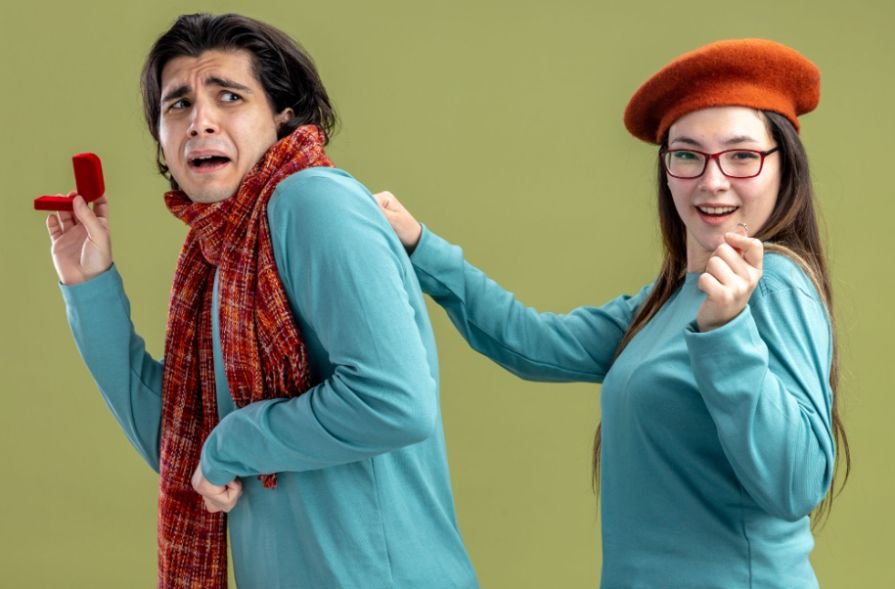
Gen Z does not reject every company that uses humor. The problem begins when a company performs relatability instead of earning it.
GWI describes memes as a language for younger audiences and warns that insincere messaging can create a “fellow kids” moment. A corporation may suddenly adopt slang, self-deprecating captions, or chaotic “shitposting” because a trend report recommends it. When that tone conflicts with polished communication, it feels like a costume instead of a real brand voice.
People know brands want sales, but a meme stops feeling shared when every element points to a product page or engagement target. Metric-driven inauthenticity turns humor into a disguised advertisement.
How Does Corporate Approval Make Meme Marketing Too Slow?
Why Do Brands Post Memes After the Trend Is Over?
Memes move faster than traditional marketing workflows. A social media manager may understand a trend immediately, but legal, PR, brand, and executive reviews can delay publication for days.
Sprout Social reports that about one-third of consumers find trendjacking embarrassing, while another 27% consider it effective only when a company reacts within 24 to 48 hours. Internet humor rewards speed, while corporate systems reward caution.
By approval, the meme may already feel outdated, overexplained, and overly safe.
Why Does Misunderstanding Meme Context Create Backlash?
Why Is Cultural Fluency More Important Than a Trending Template?
Memes depend on layered references, historical origins, niche communities, irony, and subtext. A marketing team may recognize an image or slang word without understanding how people use it or why it became funny.
That superficial adoption creates mistakes. A company may use a phrase incorrectly, miss that a format has become ironic, or attach a cheerful sales message to a joke rooted in frustration.
A self-care or gifting brand, for example, might use humor about burnout, friendship, or needing a reset before naturally introducing trendy self-care gift basket ideas for women. The connection works only when the joke reflects a genuine audience experience rather than using a popular meme as an unrelated product advertisement.
Gen Z is judging whether the brand understands the unspoken rules of the digital subculture it has entered. Misreading one nuance can turn engagement into ridicule or backlash.
What Separates Authentic Internet Memes From Forced Brand Memes?

| Aspect | Authentic Internet Memes | Forced Brand Memes |
| Primary goal | Entertainment, connection, commentary, or chaos | Conversion, visibility, reach, or engagement |
| Origin | Spontaneous, user-generated, and contextual | Scripted, PR-vetted, and safety-checked |
| Aesthetic | Fast, lo-fi, unpolished, and platform-native | Overengineered, polished, or conspicuously late |
| Language | Natural to the community | Borrowed slang that conflicts with the brand voice |
A lo-fi aesthetic alone does not create authenticity. Vogue Business reported that only 39% of Gen Z consumers in a cited study said companies posting memes created a positive brand perception. Looking casual may attract attention, but it cannot replace cultural understanding or brand fit.
Do Gen Z Consumers Actually Like Brand Meme Marketing?
Yes, when the humor feels consistent and earned. Brands such as Duolingo, Wendy’s, Scrub Daddy, and Ryanair became recognizable because they developed recurring personalities instead of appearing only when a trend offered easy reach.
Brand fit remains essential. A playful restaurant can communicate differently from a hospital, bank, law firm, or luxury label. Hootsuite advises companies to consider whether a trend aligns with their established voice; when participation requires a different personality, it can feel forced.
US marketers should not treat Gen Z as one uniform group. A student in Atlanta and a creator in Los Angeles may belong to different online communities, so research must reflect actual customers.
How Can Brands Use Memes Without Looking Desperate?
Brands should understand where a meme came from, what it means now, and whether the trend is still active. The social team should test the idea against the company’s voice and customer experiences.
Studying how small businesses can use memes on social media shows that authentic content often begins with real customer questions, local experiences, workplace moments, and industry frustrations. These specific observations give brands something original to contribute instead of merely repeating a viral template that audiences have already seen.
Originality matters. Replacing one line of a template with a product name rarely adds value. A stronger post contributes a fresh observation or turns a customer experience into humor.
The joke should work without an aggressive call to action. A subtle product connection feels more natural than forcing a logo, feature list, link, and discount into the punchline. Companies should also feel comfortable skipping trends.
Brands should focus on community, not just virality. Comment sentiment, saves, branded searches, and repeat engagement reveal more than likes alone.
Frequently Asked Questions
1. Why Do Brand Memes Feel Forced to Gen Z Consumers?
They feel forced when companies expose a calculated sales motive, copy outdated formats, misuse cultural references, adopt unnatural slang, or publish after the community has moved on.
2. Why Is Gen Z Quick to Detect Inauthentic Marketing?
Gen Z has spent much of its life navigating ads, sponsorships, algorithms, creators, and online communities. That experience helps consumers recognize native participation versus manufactured relatability.
3. Should Every US Brand Use Memes on Social Media?
No. Meme marketing should match the brand’s audience, voice, industry, and risk level. A company should not adopt chaotic humor simply because another brand received attention for it.
4. How Can Brands Make Meme Marketing Feel Authentic?
They should act quickly, understand the context, involve culturally fluent team members, maintain a consistent voice, add an original perspective, and avoid turning every joke into a sales pitch.
What US Marketers Should Remember
When I examine why brand memes feel forced to Gen Z consumers, I usually find the same mistake: the company copied the format but ignored the relationship behind it. Authentic internet humor grows from shared context, timing, community, and participation.
Brands do not need to sound younger. They need to listen closely, respect digital subcultures, and build humor from genuine audience insight. When they chase metrics without cultural fluency, the audience sees the campaign before it sees the joke.